Why In-House Manufacturing Changes Your Renovation Timeline
By Team GENESIS · 2026-08-04
In-house furniture manufacturing can make an interior design timeline more predictable when design, detailing, production and installation are coordinated from the beginning.
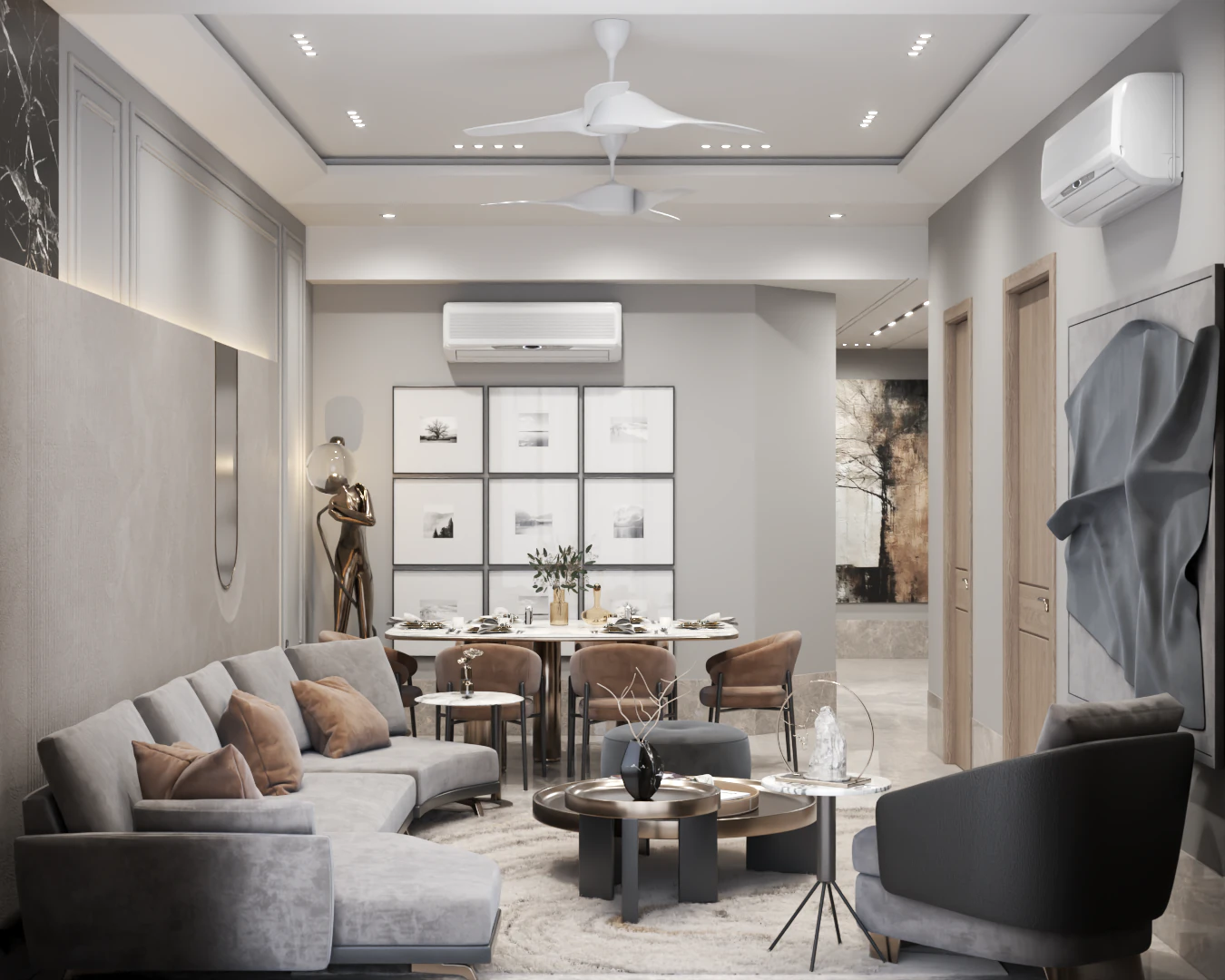
Custom furniture is often blamed for slowing a renovation, but the real issue is usually late decision-making or a gap between the drawing and the workshop. When a studio controls the design intent and has a close production relationship, furniture can be developed as part of the project rather than added at the end.
The benefit begins with accurate information. Site dimensions, wall conditions, service points, hardware preferences, material samples and the way a cabinet will be used should be resolved before production starts. A well-detailed drawing reduces the uncertainty that otherwise appears during installation.
Production control also changes the review cycle. Samples, edge details, joinery, stain and upholstery can be checked against the room’s larger composition. If a dimension needs to shift, the impact can be understood while the piece is still in production instead of after it arrives on site.
This does not make every project instantly faster. Bespoke work still needs approvals, material lead times, quality checks and careful installation. The difference is visibility: the client and design team can see what is decided, what is being made and what needs to happen next. That transparency is what protects the timeline.
Read more from the Studio GENESIS Journal · Request a consultation